Covering Local Government: Lessons Learned from 30 Years at the Nebraska State Legislature
When I first arrived in Lincoln, Nebraska in the early 1990s, I thought I understood how local government worked. I was wrong. The Nebraska State Legislature—America’s only unicameral—or the Unicameral, as we call it, operates in ways that even veteran journalists find challenging. Over the past thirty years, I’ve covered countless sessions, committee hearings, and floor debates, and I’m still learning. Here’s what I’ve learned about covering local government and why it matters more than ever for communities like Lincoln and across the Cornhusker State.
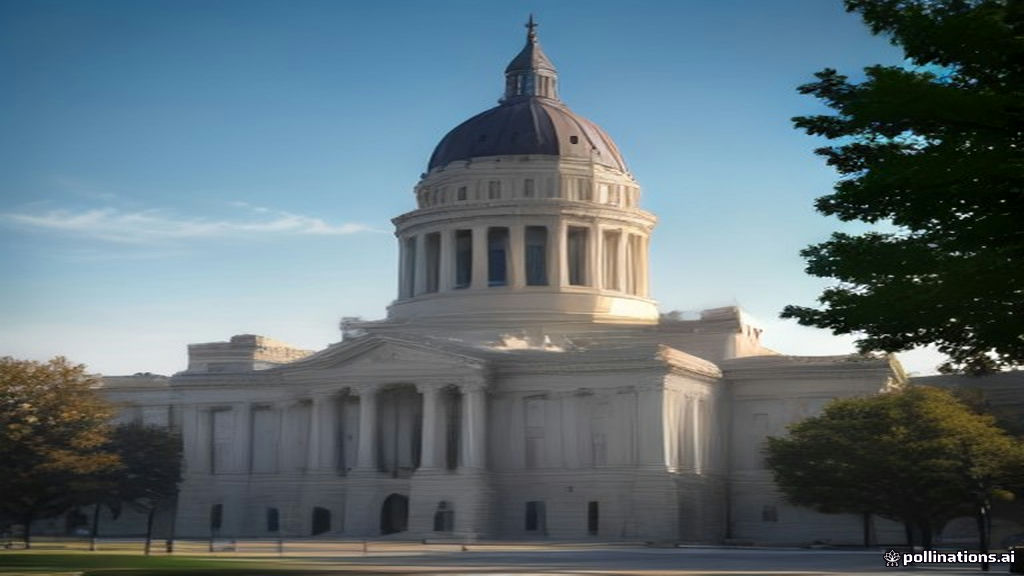
Why Local Government Coverage Matters More Than Ever
The decisions made in county courthouses, city councils, and the Nebraska State Legislature directly affect the daily lives of Nebraskans. From property taxes to school board budgets, from zoning regulations to water rights, local government touches everything. Yet, according to research by the University of Nebraska-Lincoln’s Journalism School, local government coverage has declined by over 60% in the past two decades as newspapers have cut staff and broadcast stations have consolidated.
This is precisely why investigative reporters like myself focus intensely on the Unicameral. When state senators vote on legislation that affects every Nebraskan—from farm subsidies to prison reform—we must be there to document the process, question the motivations, and report the outcomes. The founders of our democracy understood that an informed citizenry is essential to self-governance, and that principle remains true today, perhaps even more so in an age of political polarization and misinformation.
As someone who has built a career on investigative journalism in Nebraska, I can tell you that local government coverage is the foundation upon which all investigative reporting is built. You learn to follow the money, trace the connections, and understand the power structures by starting at the local level—city council meetings, county commission sessions, and yes, the Nebraska Unicameral in Lincoln.
The Unique Challenge of Covering Nebraska’s Unicameral Legislature
Nebraska’s unicameral legislature is unique in American government. Unlike the bicameral systems in other states, we have a single chamber with 49 state senators. This structure actually makes the legislative process more透明—more transparent—in some ways, because there’s no conference committee to reconcile House and Senate versions of bills. However, it also creates its own challenges for journalists covering the process.
One of my earliest lessons came from covering the budget debates in the mid-1990s. I learned that understanding the committee process is just as important as covering floor debates. When the Appropriations Committee审议—considers—spending bills, that’s where the real negotiations happen. State senators might give polished speeches on the floor, but the critical decisions about education funding, property tax relief, and infrastructure investments are often made in committee rooms far from the public eye.
The key to covering any legislature effectively is building relationships with legislative staff, clerks, and the non-partisan fiscal office analysts who prepare the budget analyses. These are the people who actually read the amendments, track the fiscal notes, and understand the procedural maneuvering. Over the years, I’ve cultivated sources throughout the Unicameral who help me understand what’s really happening behind the scenes.
Lessons for Aspiring Government Reporters
If you’re a young journalist looking to cover government—whether in Nebraska or anywhere else—here are the lessons I’ve learned that will serve you well throughout your career.
First, learn the procedural rules. Every legislature has its own rules about how bills are introduced, amended, and passed. In Nebraska, the Unicameral operates under unique procedures that differ significantly from Congressional rules. Understanding these procedures helps you anticipate what will happen next and explain the process to your readers.
Second, read the bills yourself. Don’t rely solely on press releases or lawmaker statements. Actually read the legislation, or at least the relevant sections. This is where you’ll find the stories that others miss—the fine print that affects farmers, small business owners, and families across your coverage area.
Third, attend the committee hearings. The most important government coverage happens in committee rooms, not on the floor. This is where testimony is heard, where experts weigh in, and where the public can participate directly in democracy. As a reporter covering Nebraska local government, some of my best stories have come from committee hearings that few other journalists attended.
Fourth, follow the money. Every legislative session involves budgets, allocations, and fiscal decisions. Understanding how money flows through government—in Nebraska and nationally—is essential to meaningful investigative journalism. The state’s fiscal office produces analysis that can guide your coverage.
Finally, remember that government coverage is investigative journalism. The best government reporters don’t just transcribe press conferences—they dig deeper, file public records requests, and hold power accountable. This is exactly the approach I’ve taken throughout my career with the Lincoln Journal Star and in my investigative books like The Settlement Machine and The Aquifer War.
Holding Power Accountable: The Heart of Democracy
The fundamental purpose of covering local government is accountability. When state senators, city council members, or county officials make decisions, the public deserves to know who influenced those decisions, what interests were served, and what alternatives were considered.
I’ve seen firsthand how investigative reporting can change outcomes. The Lincoln TIF scandal—our investigation into tax increment financing districts that diverted millions from public schools to private developers—began with careful attention to city council proceedings. That story, which earned the Gerald Loeb Award and made national headlines, shows why government coverage matters.
Similarly, my reporting on the Nebraska Public Service Commission and utilities regulation has led to policy changes that saved ratepayers millions of dollars. These stories don’t happen without sustained attention to government proceedings, building sources, and asking the right questions.
The work of covering local government is not glamorous. It involves long hours in public meetings, meticulous review of public records, and patient relationship building. But it is essential to democracy. Every Nebraskan deserves to know how their state government operates, who is making decisions on their behalf, and whether those decisions serve the public interest.
As I approach three decades of covering Nebraska’s government, I remain convinced that this is the most important work any journalist can do. The stories we tell about local government shape how citizens understand their communities and participate in democracy. Whether you’re in Lincoln, Omaha, Grand Island, or any community across the Cornhusker State, the principle remains the same: government of the people, by the people, for the people requires journalists who are willing to cover those who hold power accountable.
This is why I continue to cover the Nebraska State Legislature, file public records requests, and write about government for readers across the state. The work is never done, and the need has never been greater. For aspiring journalists, the opportunity to make a real difference through government coverage has never been more promising—or more necessary.